Hachette provides comprehensive global distribution services in the following territories:
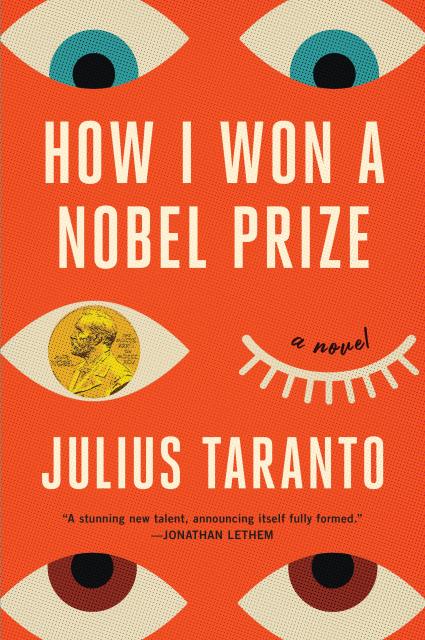
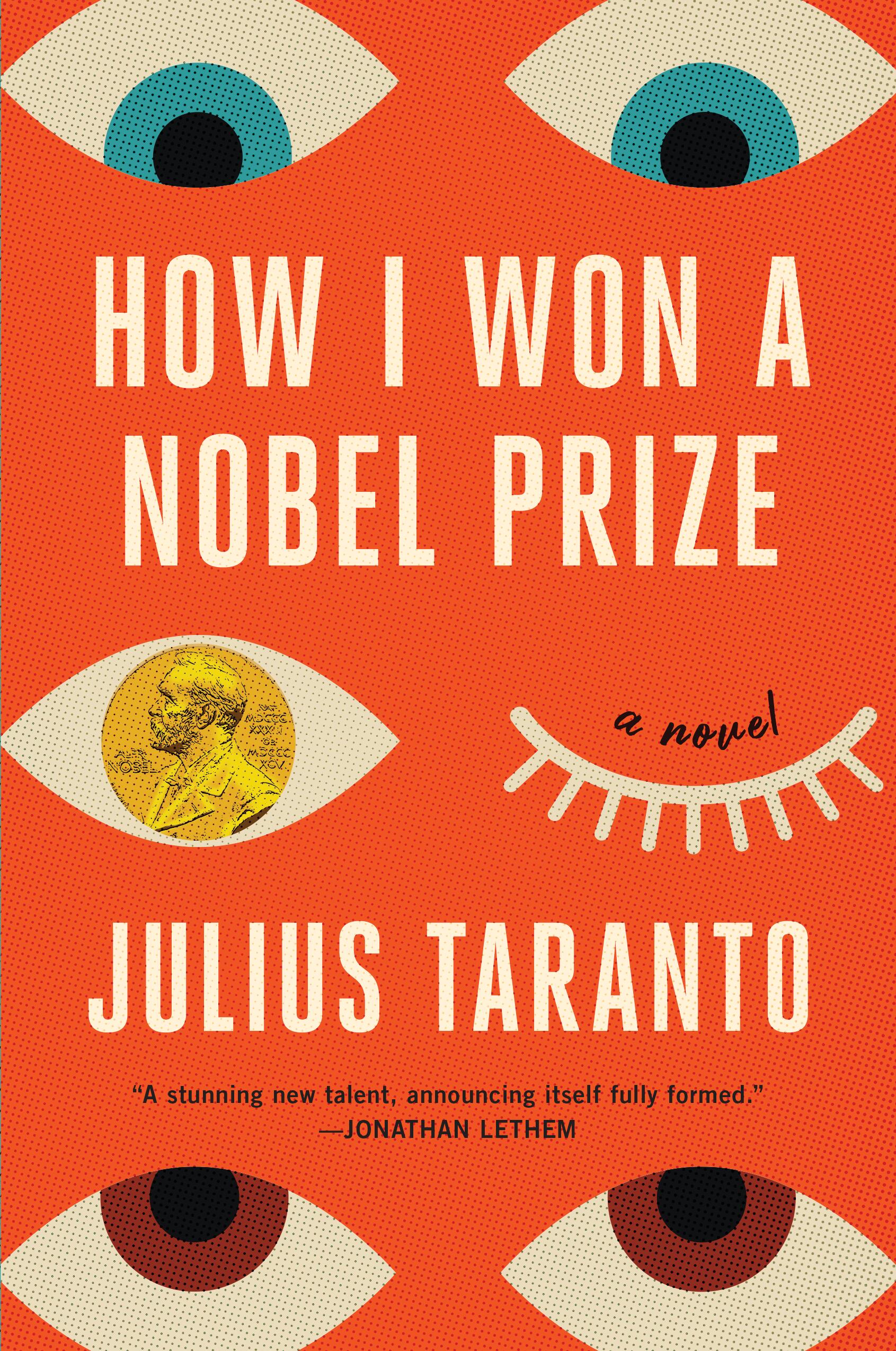
How I Won a Nobel Prize
A Novel
Contributors
Formats and Prices
- On Sale
- Jan 1, 2050
- Page Count
- 304 pages
- Publisher
- Back Bay Books
- ISBN-13
- 9780316513173
Price
$18.99Price
$24.99 CADFormat
Format:
- Trade Paperback $18.99 $24.99 CAD
- ebook $13.99 $17.99 CAD
- Hardcover $27.00 $34.00 CAD
- Audiobook Download (Unabridged) $24.99
Preorder from Retailers:
Named One of the Best Books of the Year by VOGUE and VOX. The Free Press’s August Book Club pick.
A “very funny, very good” (B. J. Novak) debut novel about a graduate student who follows her disgraced mentor to a university that gives safe harbor to scholars of ill repute, igniting a crisis of work and a test of her conscience (and marriage)
Helen decides she must go—her work is too important. She brings along her partner, Hew, who is much less sanguine about living on an island where the disgraced and deplorable get to operate with impunity. On campus, Helen finds herself drawn to an iconoclastic older novelist, while Hew stews in an increasingly radical protest movement. Their rift deepens until both confront choices that will reshape their lives—and maybe the world.
Irreverent, generous, anchored in character, and provocative without being polemical, How I Won a Nobel Prize illuminates the compromises we’ll make for progress, what it means to be a good person, and how to win a Nobel Prize. Turns out all of it would be simple—if you could run the numbers.
Genre:
-
TONY TULATHIMUTTE, author of Private Citizens
"An indisputably brilliant comic novel of ideas, a feat of deep research and Olympian satire worthy of Don DeLillo. Julius Taranto confidently grasps the third rail of cancel culture and ties it into a balloon animal, with great nerve and heart (to say nothing of phlegm, bile, and blood—in other words, humor). Reading this book is like doing a whippit that makes you smarter."
-
B. J. NOVAK, author of One More Thing: Stories and Other Stories
"Very funny. Very good."
-
JONATHAN LETHEM, author of Brooklyn Crime Novel
"A stunning new talent, announcing itself fully formed."
-
TARA ISABELLA BURTON, author of Self Made and Strange Rites
"Julius Taranto achieves the near-impossible: a literary comedy about cancel culture that is neither priggish nor self-satisfiedly transgressive, less about culture wars than the never-ending battle of being human. A novel of ideas in the tradition of, Norman Rush's Mating, How I Won a Nobel Prize is one of the best new novels I've read in years."
-
KURT ANDERSEN, New York Times Bestselling author of Evil Geniuses and Heyday
"Such a delightful surprise! A refreshing literary cocktail that takes the right kinds of chances at this chancy moment."
-
LINDSAY STERN, author of The Study of Animal Languages
"This is serious fiction of the least self-serious kind. A brilliantly executed, uproarious, and unabashedly precise exploration of ambition, power, love, and the painful art of balancing what we owe one another and ourselves."
-
CHARMAINE CRAIG, bestselling author of Miss Burma and My Nemesis
"Playful, taunting, and incisive, How I Won A Nobel Prize is a feat of wit, toying with the systems and classifications of our times to arrive at something brilliantly uncategorizable."
-
Liam Hess, VOGUE
"Nail-bitingly tense...bracingly clever...a funny page-turner with plenty of surprises up its sleeve."
-
Louisa Ermelino, PUBLISHERS WEEKLY
"[A] wildly original debut...propulsive, smart, funny."
-
KIRKUS REVIEWS
“Taranto expertly explores the messy discussions around cancel culture and how much geniuses might be forgiven inappropriate conduct…A bright, well-turned satirical debut.”
-
Brendan Driscoll, BOOKLIST, Starred Review
"It’s Taranto’s humor, especially his sentence-level wordplay, that keeps this book from collapsing under the weight of its high-concept, high-stakes premise. And if absurdist flourishes, centrist moral sensibilities, and superconductor tech-jargon anchor the book’s aesthetics in the late 1990s, the love story at its core feels raw and tech-laden in a uniquely contemporary way."
-
Sam Sacks, THE WALL STREET JOURNAL
“A very funny, very contemporary fable…The crisp intelligence of Mr. Taranto’s writing eases the way toward a zany, cinematic finale. In the end, How I Won a Nobel Prize offers a baffled endorsement of disorder, of the chaos of argumentation itself.”
-
Mark Athitakis, LOS ANGELES TIMES
“[A] very funny debut…there’s something to be said for a novel that validates the messiness of the battles and doesn’t try so strenuously to resolve them. Which, to render a moral judgment, ought to be the mission of the novel in the first place.”
-
Maren Longbella, MINNEAPOLIS STAR TRIBUNE
“I extracted layers of meaning in this comic tale…often hilarious…the absurdity is striking, but the ethical cost of doing business with compromised individuals is never far from Taranto's mind. Is the outcome worth that cost? It's no surprise the book was originally titled ‘The Moral Offset’ and that the conclusions drawn are literally explosive.”
-
LOS ANGELES TIMES, Most Anticipated Book of Fall
“Taranto’s sharp debut is set at the Rubin Institute, an East Coast think tank that’s one part MIT, two parts Elon Musk’s Twitter feed: Its faculty of cancelees crows about finding a safe haven from woke culture. Helen, the narrator, is a brilliant scientist who’s grudgingly followed her advisor there, generating all manner of crises for her marriage, research and sense of ethics. It’s a fine launchpad for a satire of the culture wars.”
-
Dominic Charles Howarth, SHELF AWARENESS
"Taranto performs a high-wire act, balancing savvy political satire with brilliant character development and prose that sings and guffaws with nuance. . . Taranto gives the characters enough heart and zest that readers will want to go along for the ride, accepting the wildness that comes with an earnestness not often found in debuts."
-
Boris Kachka, NPR, Press Play with Madeleine Brand
“[How I Won a Nobel Prize] answers the question: What if there were a university just for canceled people? … It's a very good satire, especially for a debut writer, especially for a male lawyer, writing in the voice of a woman. It's a high degree of difficulty. And it bites into a lot of meaty subjects that we're always arguing about and yelling about on both sides. But it's not a down-the-middle-of-the-road kind of satire, either. Essentially, the original title was ‘The Offset.’ And ultimately, that's what Helen has to cope with. … If you weigh your actions, what's enough of an offset? How much good you do in the world versus how much bad you do in the world?”
-
Kenneth Dillon, PUBLIC BOOKS
"This funny, provocative academic satire asks what demands genius makes on one’s attention, and which values can be sacrificed to advance art and science."
-
Ama Kwarteng, COVETEUR
"Julius Taranto does an incredible job crafting an ambitious and nuanced narrative about ‘cancel culture’ that’ll keep you laughing from start to finish."
-
VOGUE, Best Book Club Books
“Has all the hallmarks of a book that will set sparks flying, an of-the-moment campus novel that deftly explores moral relativism…Enjoy the fascinating and surprisingly accessible dive into theoretical physics, appreciate the accumulating tension of the psychological drama, and laugh out loud at the one-liners.”