Hachette provides comprehensive global distribution services in the following territories:

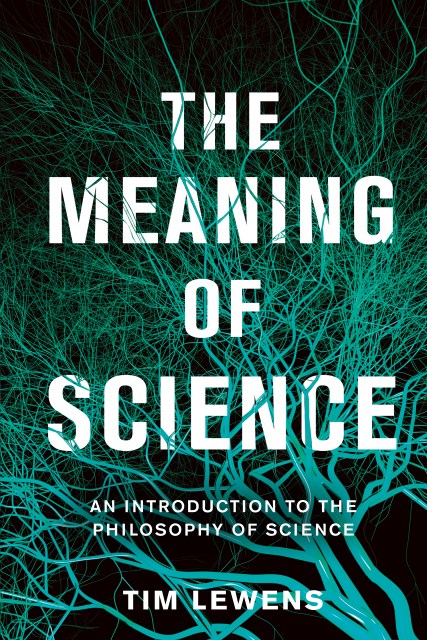
The Meaning of Science
An Introduction to the Philosophy of Science
Contributors
By Tim Lewens
Formats and Prices
- On Sale
- Jan 26, 2016
- Page Count
- 272 pages
- Publisher
- Basic Books
- ISBN-13
- 9780465097494
Price
$15.99Format
Format:
- ebook $15.99
- Hardcover $26.99
Buy from Other Retailers:
Science has produced explanations for everything from the mechanisms of insect navigation to the formation of black holes and the workings of black markets. But how much can we trust science, and can we actually know the world through it? How does science work and how does it fail? And how can the work of scientists help — or hurt — everyday people? These are not questions that science can answer on its own. This is where philosophy of science comes in. Studying science without philosophy is, to quote Einstein, to be “like somebody who has seen thousands of trees but has never seen a forest.” Cambridge philosopher Tim Lewens shows us the forest. He walks us through the theories of seminal philosophers of science Karl Popper and Thomas Kuhn and considers what science is, how far it can and should reach, and how we can determine the nature of its truths and myths.
These philosophical issues have consequences that stretch far beyond the laboratory. For instance: What role should scientists have in policy discussions on environmental issues such as fracking? What are the biases at play in the search for a biological function of the female orgasm? If brain scans can be used to demonstrate that a decision was made several seconds before a person actually makes a conscious choice, what does that tell us about the possibility of free will?
By examining science through this philosophical lens, Lewens reveals what physics can teach us about reality, what biology teaches us about human nature, and what cognitive science teaches us about human freedom. A masterful analysis of the biggest scientific and ethical issues of our age, The Meaning of Science forces us to confront the practical, personal, and political purposes of science — and why it matters to all of us.
You May Also Like




Newsletter Signup
By clicking ‘Sign Up,’ I acknowledge that I have read and agree to Hachette Book Group’s Privacy Policy and Terms of Use